Why Employing a Residential Electrician Is Crucial for Home Security!
Bringing in a residential electrical provider is critical for ensuring home safety. Many property dwellers overlook the difficulties of electrical systems. DIY tries can spark grave dangers, such as fire incidents or electrical exposure. Licensed electricians present core experience, confirming compliance with local codes and safety standards. The consequences of avoiding sound electrical installation can be catastrophic. Appreciating complete info the weight of expert counsel can make a pronounced difference in home safety. What specific advantages can these specialists present?
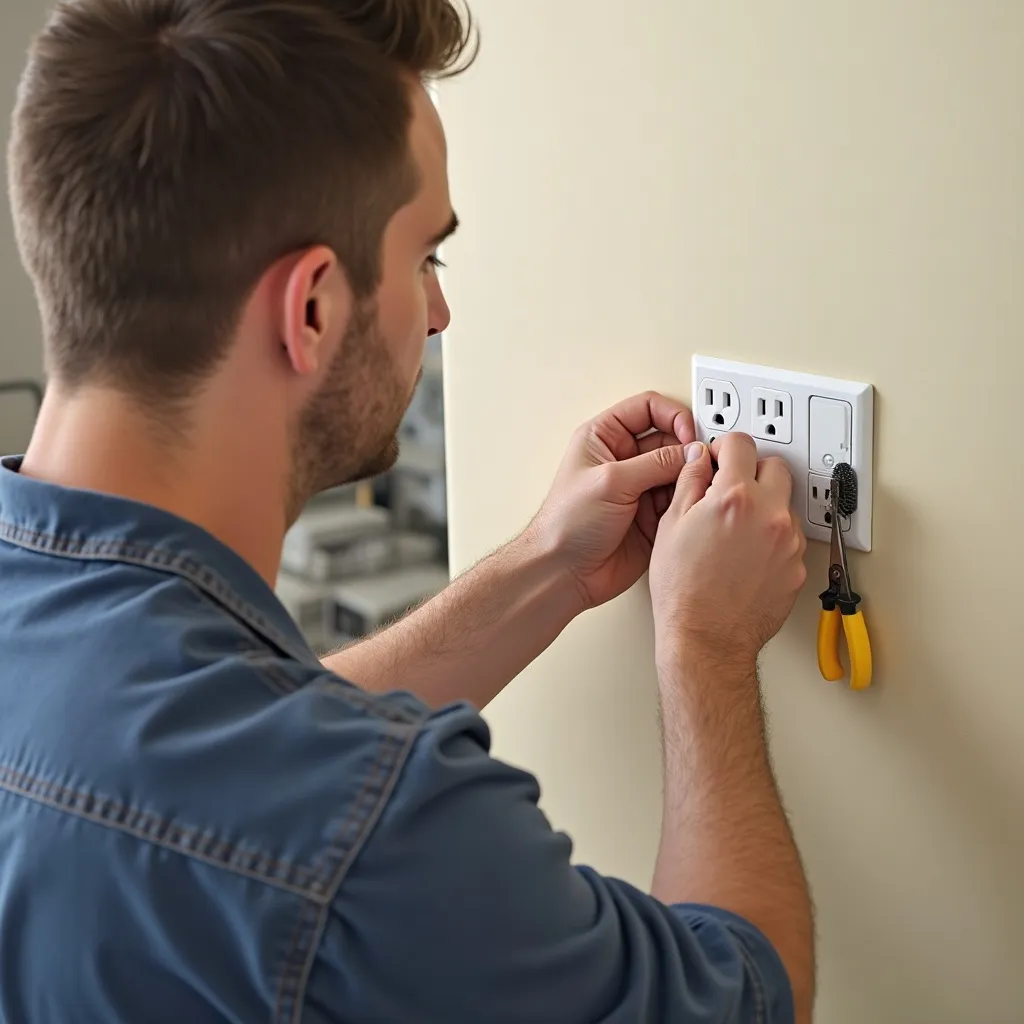
Recognizing the Risks of DIY Electrical Work
Engaging in DIY electrical work can seem attractive for property owners looking to save money, but it poses significant risks. Many individuals underestimate the complexity of electrical systems, often leading to improper installations or repairs. This absence of professional knowledge can cause electrical failures, fires, or electrocutions, putting at risk both the homeowner and their residence.
Additionally, DIY initiatives might not meet local building codes, potentially creating legal complications or costly fines.
In addition, without the proper tools and safety equipment, homeowners may risk placing themselves in unsafe conditions. Even seemingly simple tasks, such as replacing a light fixture, can have unexpected consequences if not executed correctly.
A consideration that merits attention is the potential for long-term damage to the home's electrical system.
The Proficiency That Safeguards Your Home Secure
When addressing home security concerns, a residential electrician's expertise becomes essential.
They execute detailed safety examinations, ensuring all systems are working properly and comply with regulatory standards.
Moreover, their familiarity with code standards and experienced troubleshooting competencies avert potential threats before they become serious issues.
Complete Security Assessments
A comprehensive safety inspection performed by a certified residential electrician is crucial for keeping a protected home environment. During this procedure, electricians evaluate wiring, outlets, and electrical panels to identify potential hazards.
They examine for outdated components that may create fire risks or result in electrical failures. Additionally, they examine the grounding and bonding systems to ensure they meet safety standards.
By detecting issues such as overloaded circuits or faulty wiring, electricians deliver homeowners with practical recommendations to mitigate risks. These inspections not only improve safety but also boost energy efficiency, potentially lowering utility bills.
In the end, consistent safety inspections protect both the property and its occupants, guaranteeing a trustworthy electrical infrastructure that works efficiently.
Code Compliance Guarantee
Code compliance assurance serves as a crucial element in guaranteeing the safety and reliability of residential electrical systems.
Expert electricians have mastery of local, state, and national electrical codes, which are put in place to ensure homeowners from possible dangers. These codes embrace various aspects, such as wiring methods, circuit protection, and grounding techniques, all key for safe operation.
By complying with these codes, electrical professionals minimize the risk of fire hazards, electrical shock, and system malfunction. Furthermore, standards compliance is typically a necessity for homeowner's insurance and can impact property value.
Homeowners who opt for a licensed electrician guarantee that their wiring systems meet essential codes, providing assurance and a safer household.
Professional Issue-Resolution Expertise
Electrical systems may face challenges despite following safety codes. When issues arise, specialized diagnostic abilities become necessary.
Residential electricians have specialized training and experience that allow them to identify faults quickly, often before they escalate into serious dangers. Their capacity to examine complex wiring systems and diagnose issues ensures that homeowners are not left in the dark—literally and figuratively.
These trained specialists use state-of-the-art tools and techniques to locate problems, whether it's a dimming bulb or a tripped breaker. By handling these issues without delay, they not only reinstate proper operation but also increase the overall protection of the home.
In the end, relying on a professional electrician for troubleshooting is a preventive measure toward safeguarding both property and residents.
Determining the Right Residential Electrical Expert
Choosing the best residential electrician necessitates close examination of several key factors.
Homeowners should confirm qualifications and permits to guarantee compliance with local regulations.
Also, consider the electrician's qualifications and abilities, and obtain detailed quotes for complete transparency.
These guidelines help in making an informed decision that focuses on quality and safety.
Validate Credentials And Licenses
Before engaging a residential electrician, it is essential to confirm their credentials and licenses to ensure adherence with local regulations and industry standards. This step ensures that the electrician has completed the necessary training and has the knowledge required for secure and efficient electrical work.
Ensuring proper licensing shields homeowners from unforeseen risks and confirms that the electrician observes safety protocols. Additionally, confirming credentials can help discover professionals who remain informed about the latest industry practices and technologies.
Homeowners should ask for insurance documentation and confirm that the electrician holds any necessary credentials. Implementing these measures not only improves security but also builds confidence in the quality and reliability of the electrical services delivered.
Review Track Record And Competence
Determining the experience and expertise of a residential electrician is essential for achieving outstanding quality. A accomplished electrical professional regularly brings a rich reservoir of expertise gained through years of practical field experience. This foundation enables them to handle assorted electrical configurations and resolve technical problems effectively.
Prospective clients should ask regarding the electrician's particular specializations, such as residential wiring, lighting installations, or electrical repairs. Additionally, learning about the types of projects they have previously completed can offer understanding of their capabilities.
Testimonials and reviews from previous clients can also function as valuable resources in determining reliability and quality of service. By carefully examining an electrician's experience and expertise, homeowners can make informed decisions that prioritize safety and effectiveness.
Receive Thorough Estimates
How can homeowners guarantee they receive fair pricing and quality service when engaging a residential electrician? One effective strategy is to request detailed estimates from several electrical professionals.
This method not only helps with evaluating costs but also provides insights into the scope of work involved. Homeowners should verify that estimates include labor, materials, and any additional fees. A transparent estimate reflects the electrician's professionalism and willingness to communicate.
Additionally, it enables homeowners to inquire regarding any unclear charges, cultivating a better understanding of the project. By obtaining diverse estimates, homeowners can establish sound decisions, accordingly guaranteeing they employ a qualified residential electrician who meets their needs while complying with safety standards.
Leading Electrical Challenges Properly Managed by Technicians
Whenever electrical problems occur in a home, it's imperative to identify which matters necessitate professional guidance. Regular electrical problems that should be entrusted to licensed electricians encompass frequent circuit breaker trips, which may reveal overloads or faulty wiring.
Flickering lights may point to significant complications, including faulty connections or aging electrical systems. Additionally, outlets that run hot or release a burning smell create serious fire risks and require prompt examination.
A further concern is the installation of new electrical systems or fixtures, which often necessitates following local safety codes and standards. Homeowners should also obtain expert help for any electrical projects involving the main service panel, as problems in this area can create dangerous situations.
Why Code Compliance Is Critical for Protection
Ensuring that electrical installations meets code compliance plays a crucial role in maintaining safety within residential environments. Electrical codes are established to minimize hazards such as fires, electrocution, and property damage. These regulations are formulated based on extensive studies and industry standards, reflecting the latest safety practices.
When homeowners employ a residential electrician, they gain advantages from the expert's knowledge in handling these codes, guaranteeing all installations and repairs are in compliance.
Failure to adhere can cause dangerous situations, including defective electrical systems and insufficient electrical grounding, which may not only pose risks to inhabitants but also impact policy protection. Additionally, properties that do not meet code standards can incur penalties or complications during real estate transactions.
In the final analysis, adhering to electrical codes is imperative for preserving lives and property, highlighting the importance of employing qualified electricians for all electrical work.
Realize Enduring Savings Through Professional Installations
Investing in professional electrical installations can yield major budget advantages for home occupants. Skilled electricians guarantee that all electrical networks and setups are installed correctly, decreasing the odds of pricey maintenance and new installations due to faulty work. By adhering to safety codes and incorporating top-tier materials, trained experts minimize the risk of electrical hazards, which can lead to high-cost deterioration or even uncontrolled fires.
In addition, sustainable energy systems can lower utility bills over time. For instance, moving to efficient lighting options and appliances can result in substantial savings on electricity costs. Additionally, professional electricians can suggest solutions on refining electrical infrastructure for better efficiency.
Ultimately, while the initial cost of hiring a skilled electrician may seem higher than a DIY method, the long-range benefits—such as decreased repair costs and lower energy bills—far outweigh the upfront investment.
Homeowners can safeguard their financial assets and properties by prioritizing expert electrical services.
The Assurance That Accompanies Professional Services
Peace of mind often follows the decision to hire a professional electrician. Homeowners can feel secure knowing that their electrical systems are in the hands of skilled technicians who grasp the complexities of wiring, circuits, and safety regulations.
Skilled electricians possess the necessary certifications and experience to detect possible dangers, guaranteeing that electrical work and maintenance comply with safety standards.
In addition, contracting a professional minimizes the potential of electrical failures that could trigger risky scenarios such as fire outbreaks or electrocution. The confidence that a qualified expert has executed the work enables homeowners to focus on their regular activities without stressing over concealed risks.
Additionally, many professional electricians offer warranties for their services, further enhancing the sense of security.
Ultimately, trusting a qualified electrician not only safeguards your residence but also promotes a stress-free environment, enabling families to thrive without the burden of unresolved electrical issues.
Regularly Discussed Questions
How Can I Identify a Qualified Residential Electrician?
To find a qualified residential electrician, one should verify valid licensing, insurance, and testimonials. Additionally, checking online ratings and obtaining recommendations from close contacts can help ensure the electrician's trustworthiness and skill.
What Are the Warning Signs of Electrical Malfunctions in My Home?
Signs of electrical problems include flickering lights, circuit breakers that trip, warm outlets, burning smells, and switches with discoloration. Unusual noises from outlets or appliances may also indicate potential issues demanding prompt action from a qualified professional.
How Frequently Should I Have My Electrical System Inspected?
Property owners should arrange for electrical system inspections every three to five years. Periodic inspections help identify potential issues early, ensuring safety and efficiency while reducing exposure associated with outdated or faulty electrical components in the home.
Is It Possible for Me to Conduct Simple Electric Repairs Myself?
While minor electrical repairs may appear doable, it's generally advisable to consult a professional. Insufficient expertise can lead to dangerous conditions, possible regulatory breaches, or costly damage, highlighting the importance of professional help for electrical tasks.
What Ought I Handle in Situation of an Electrical Emergency?
In the event of an electrical crisis, one should immediately turn off the power at the circuit breaker, stay away from live wires, and call a qualified electrician for assistance. Safety should always be the top priority.